When you’re reading this, you might be thinking: “I know the clitoris is somewhere up there… but where exactly? And why is it so hard to locate?” The truth is, the question “where is the clitoris located” deserves a solid, shame-free explanation. This article will walk you through the anatomy, the common stumbling blocks, and how to actually find and stimulate the clitoris (with respect and knowledge!).
Understanding the Basics: the Clitoris isn’t “just a button”
Many people imagine the clitoris as a tiny “button” or dot of flesh tucked under the labia. While that is part of it, thats a major oversimplification. Unlike the typical punch-line view, the clitoris is a complex structure built for pleasure. According to authoritative sources, the visible part (the glans) is just the tip of the iceberg.
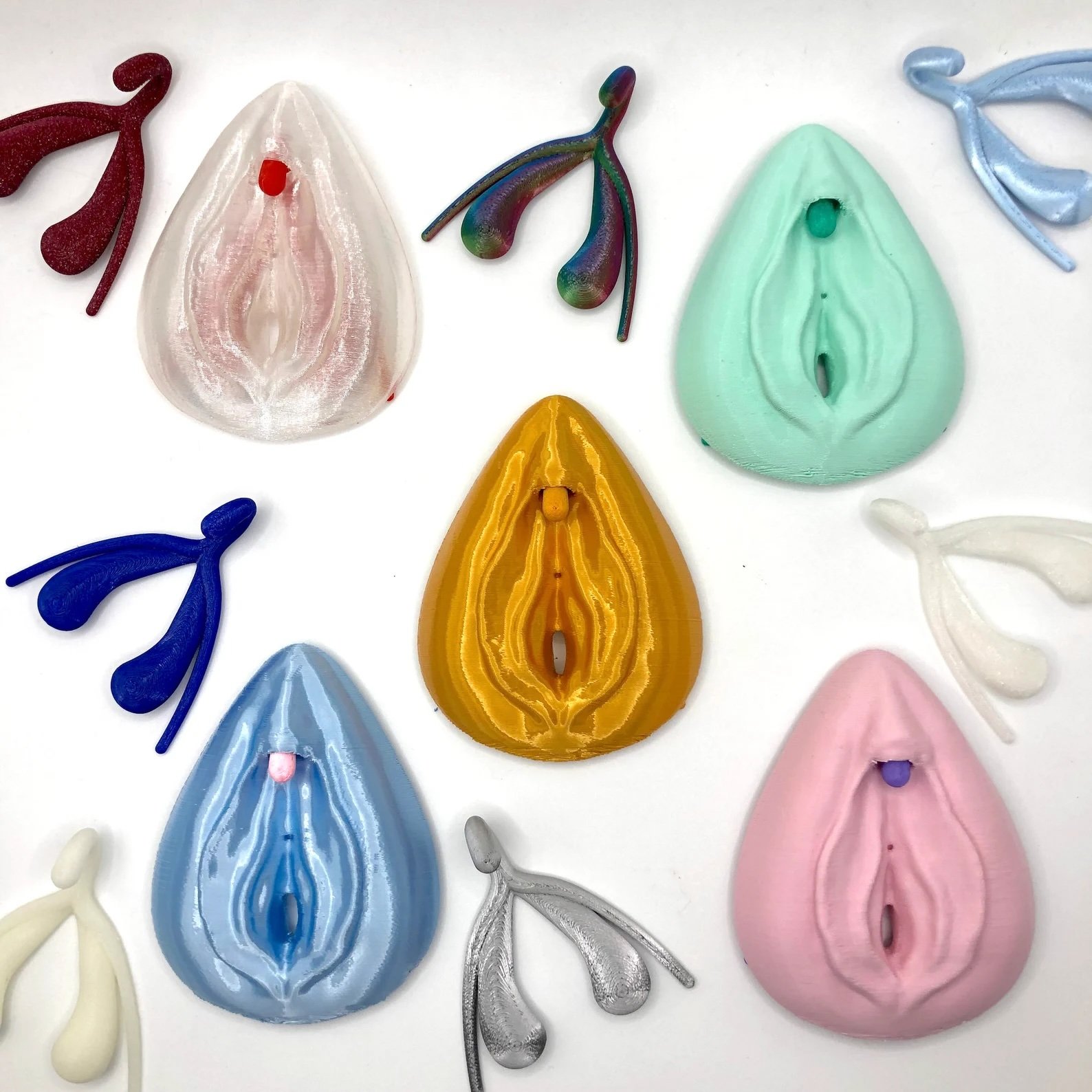
One of the best ways to grasp its shape is to consider the “wishbone” analogy. The body of the clitoris splits into two “legs” or crura that extend along the pubic bone and into the pelvis. Why does this matter? Because if you’re only looking for a little nub on the surface, you’re missing most of the structure—so you might say “I can’t find it” when in fact it’s more expansive than you realized.
The Wishbone Structure: internal and external anatomy
The visible glans and hood
The part you’re most likely to see when looking is the glans of the clitoris, which lies just under the pubic mound and above the urethral opening. It often appears as a small pea-to-bean-shaped nub. Covering this glans is the clitoral hood (also called the prepuce) — a fold of skin that acts like a protective hood.
The body, crura (legs) and bulbs
But there’s more. Beneath the surface lies the body of the clitoris, which splits into two crura (legs) that run along the ischiopubic rami (bones of the pelvis). These legs are made of erectile tissue — very much like the shaft of a penis — and they fill with blood during arousal, causing swelling and increased sensitivity.
There are also vestibular bulbs or clitoral bulbs, which are tissues that flank the vaginal opening and are part of this broader clitoral network.
Why you might not “see it” right away
Because most of this structure is internal, and because the visible glans might be small or tucked under the hood, many people can’t immediately “find the clitoris” by sight or feel alone. Anatomical variation also means that what works for one person may look very different for another. The key is understanding that the visible nub is only part of the system.
Why ~8,000–10,000 nerve endings matter for pleasure
One of the headline facts you may have heard is that the glans of the clitoris has “about 8,000 nerve endings”. This stems from earlier anatomy summaries. According to the Cleveland Clinic, the glans alone has about 8,000 nerve endings, making it more richly innervated (in that spot) than any other part of the vulva.
More recent research suggests that the number of nerve fibers (axon bundles) is higher…around 10,280 in the dorsal nerve of the clitoris in one study. Why does this matter? Because such dense nerve supply means the clitoris is highly sensitive. That’s both its gift and, at times, a source of confusion: direct pressure can feel amazing…or too intense.
So understanding the nerve-density helps you know that stimulation ideally should be thoughtful, gentle at first, attuned to the person’s comfort level…rather than just being “press hard and hope for the best.”
Locating the Clitoris: step-by-step guide
Step 1 – Start externally: find the glans.
Have your partner be relaxed and aroused. Gently part the labia (the inner lips / labia minora) and look for the small nub just beneath the pubic bone, above the urethral opening. That visible tip is the glans.
Step 2 – Recognise the surrounding landmarks.
- The labia minora (thin inner lips) often frame the hood.
- The labia majora (outer lips) are the larger folds.
- The urethral opening is just below the glans typically.
- The clitoral hood is a fold of skin that may partially or wholly cover the glans.
Step 3 – Feel/observe the hood and what lies beneath.
Gently lift or slide the hood back (if comfortable) to expose the glans…most women will want this. But a small perentage of women may prefer indirect stimulation through the hood rather than direct contact.
Step 4 – Understand internal parts.
Although you can’t see everything, knowing the crura run like a “V” inside helps you understand why stimulation of adjacent areas (labia, vaginal entrance, mons pubis) can still feel clitoral. The clitoris extends further than the visible tip.
By following these steps with patience, curiosity and communication, you answer the question “where is the clitoris located?” with more precision…and far less confusion.
The Clitoral Hood: what it is and how to work with it
The clitoral hood is the fold of skin that covers and protects the glans of the clitoris. It serves a similar role to the foreskin of a penis: shielding a very sensitive tip while still allowing access and engorgement when aroused.
Because the glans is so sensitive, many find direct contact too intense at first. That means:
- Stimulating through the hood (indirectly) can feel more comfortable.
- Using a lighter touch under the hood may be preferred.
- Paying attention to what your wife wants regarding pressure, speed and comfort is essential…because nothing kills the mood like pain. But don’t worry too much about that…don’t put so much pressure on yourself that you are too intimidated to try!
Working with the hood (rather than trying to “remove” it) gives options: sliding, gentle tugging, soft circular motions around the edge of the hood, alternating with direct glans contact if it becomes comfortable.
Pressure and rhythm that actually works
Because the clitoris is so densely innervated, the wrong pressure or rhythm can shut things down or even hurt. Here’s how to approach it smartly:
- Start gentle. Light strokes, small circles, soft taps. Let arousal build and sensitivity rise.
- Match pressure to feedback. Most women like firmer pressure but only after arousal is well underway. A few women, who are a bit more sensitive may prefer very light contact throughout.
- Rhythm matters. A steady rhythm can help build focus, but variation within rhythm is key: speed up, slow down, pause, return.
- Use lubricant. When aroused, natural lubrication helps…but using extra lube can smooth out stimulation and reduce friction, letting you focus on pleasure.
- Listen and adjust. If something feels uncomfortable or “too much,” ease off. If it feels good, maintain or build. Paying attention to your wife’s body language is key.
- Remember: it’s not a “one-touch” magic button. The clitoris isn’t a video game button where you tap and win. It’s a complex organ with arousal buildup, sensitivity thresholds, and variation over time. The “button myth” (press it hard, done) will set you and your wife up for frustration.
Common “finding it” mistakes men (and partners) make
When trying to locate or stimulate the clitoris, some common mistakes happen—let’s break them down:
- Mistake #1: Assuming size and visibility are so different that you can’t figure it out. While yes, every body is different…we are also amazingly similar. The visible glans may be small or recessed, the hood may cover it fully, and swelling will change how it feels. So think of it as a fun adventure…and go exploring.
- Mistake #2: Pressing like a button and expecting instant orgasm. As above: arousal needs time, sensitivity varies, and blasting the clitoris straight away is asking for a sexless night.
- Mistake #3: Ignoring the hood and all her fun internal parts. Only focusing on the visible nub means you may miss large parts of the pleasure system.
- Mistake #4: Poor communication / hurried mindset. If you expect quick results, or don’t pay attention to what feels good, (as she does for you) a pleasurable experience will turn into a frustrating one.
- Mistake #5: Not using lubricant, or ignoring comfort. Younger women who have not had kids tend to feel that friction without lubrication is too intense, especially for the glans. While experienced women who have had kids may not want a lot of lube…they prefer the intensity of the friction.
- Mistake #6: Focusing purely on penetration and ignoring the clitoral network. I will say this until the day I die…if you are a husband who only uses penetration for your sexual encounters with your wife…your marriage will end in divorce. Most women must have clitoral stimulation (direct and rhythmic) in order to reach orgasm. Don’t ignore her needs. Most men do. Don’t be that guy who orgasms all the time, but denies his wife the same pleasure.
When it’s still hard to find or stimulate: possible reasons
Sometimes even with good technique, locating or stimulating the clitoris is challenging. Here are possible reasons:
- Anatomical variation: The clitoral glans may be very small, tucked deeper under the hood, or partially hidden by labia. The internal structure varies widely.
- Sensitivity differences: Because it has so many nerve endings, some people may find direct contact too intense or even uncomfortable…so indirect stimulation is key.
- Medical histories: Surgeries, scar tissue, past trauma, hormonal changes or conditions (for example, clitoral adhesions) can all affect how the clitoris feels and how easy it is to access.
- Psychological factors: Anxiety, shame, distraction, or negative associations can reduce arousal and make finding or stimulating the clitoris harder.
- Expectations and pace: If you or your wife are expecting quick results or forcing the process, her body may resist or shut down. Patience and low-pressure exploration help.
Summary: key take-aways at a glance
- The clitoris isn’t just a visible nub: it has a glans, hood, body, crura and bulbs.
- On average, it holds around 8,000–10,000 nerve fibers/nerve endings, making it a highly sensitive organ.
- To find it: locate the glans under the hood, recognize the surrounding anatomy, and understand the larger internal structure.
- The hood matter…stimulating indirectly through it is often more comfortable than jumping straight to direct contact.
- Pressure, rhythm and arousal matter more than brute force. Use lubricant, take your time, listen to feedback.
- Common mistakes: assuming standard size/visibility, viewing it as “just a button”, ignoring the hood or internal parts, poor communication.
- Exploration is normal, variation is normal. Don’t compare to any ideal.
- Education and awareness empower better pleasure.
Frequently Asked Questions (FAQs)
Q1. Where exactly is the clitoris located?
A. The visible part (the glans) is located at the top of the vulva, just under the pubic bone and typically above the urethral opening. But the full structure continues inside the body via the clitoral body and crura.
Q2. Why can’t I see or feel the clitoris easily?
A. Because much of it is internal, and the visible part may be small or tucked under the clitoral hood. Also, anatomical variation means it may look quite different from person to person. So get to know your wife’s body…intimately. It’s about time you knew what SHE actually looks like. Study her!
Q3. Does the clitoris really have 8,000 nerve endings?
A. The “8,000” figure is a commonly cited estimate for the visible glans, but more recent research has counted around 10,000 nerve fibers in the dorsal nerve alone…so the sensitivity is very high.
Q4. What’s the best way to stimulate the clitoris without discomfort?
A. Start gently, use lubricant, explore through the clitoral hood, vary pressure and rhythm, and check in with your partner about what feels good. Avoid the “one-size-fits-all” approach.
Q5. Is the clitoris only external?
A. No! Though in all honesty that is the first place you should learn about, and the most important place for sustained attention to bring your wife to orgasm. But while the glans is external, the clitoris has internal components (body, legs/crura, bulbs) that extend into the pelvis. Understanding this helps explain how stimulation of surrounding areas can feel clitoral, and really good!
Q6. What are common mistakes when trying to find or stimulate the clitoris?
A. Expecting immediate orgasm from pressing a “button”, not using lubrication, ignoring the clitoral hood or internal anatomy, not communicating, and not adjusting to your wife’s feedback.